In our previous deep dive, we looked at how the "Invisible Backbone" of our clothes—polyester and elastane—is slowly being decoupled from oil. But there is another pillar of the fashion industry that is ripe for a systemic redesign: Leather.
For centuries, leather has been the gold standard for durability and luxury. But the environmental cost is staggering, involving intensive livestock farming and toxic chrome-tanning processes. On the other hand, the first wave of "vegan leather" was often just a fancy name for PVC—a plastic that is as fragile as it is polluting.
Today, we are entering a third era. An era where your sneakers aren't made from cows or oil, but from pineapples, cacti, and apples.
The Waste-to-Wardrobe Revolution
At Capsule, we are fascinated by systems that turn a problem into a solution. The new generation of plant-based leathers does not require new land; it uses the leftovers of the food industry.
Here are the three "crops" currently disrupting the footwear industry:
1. Piñatex: The Pineapple Pioneer
Developed by Ananas Anam, Piñatex is made from the long fibers of pineapple leaves—a byproduct of the fruit harvest that would otherwise be burned or left to rot.
-
The Logic: It provides a second income for farmers and requires zero extra water or pesticides.
-
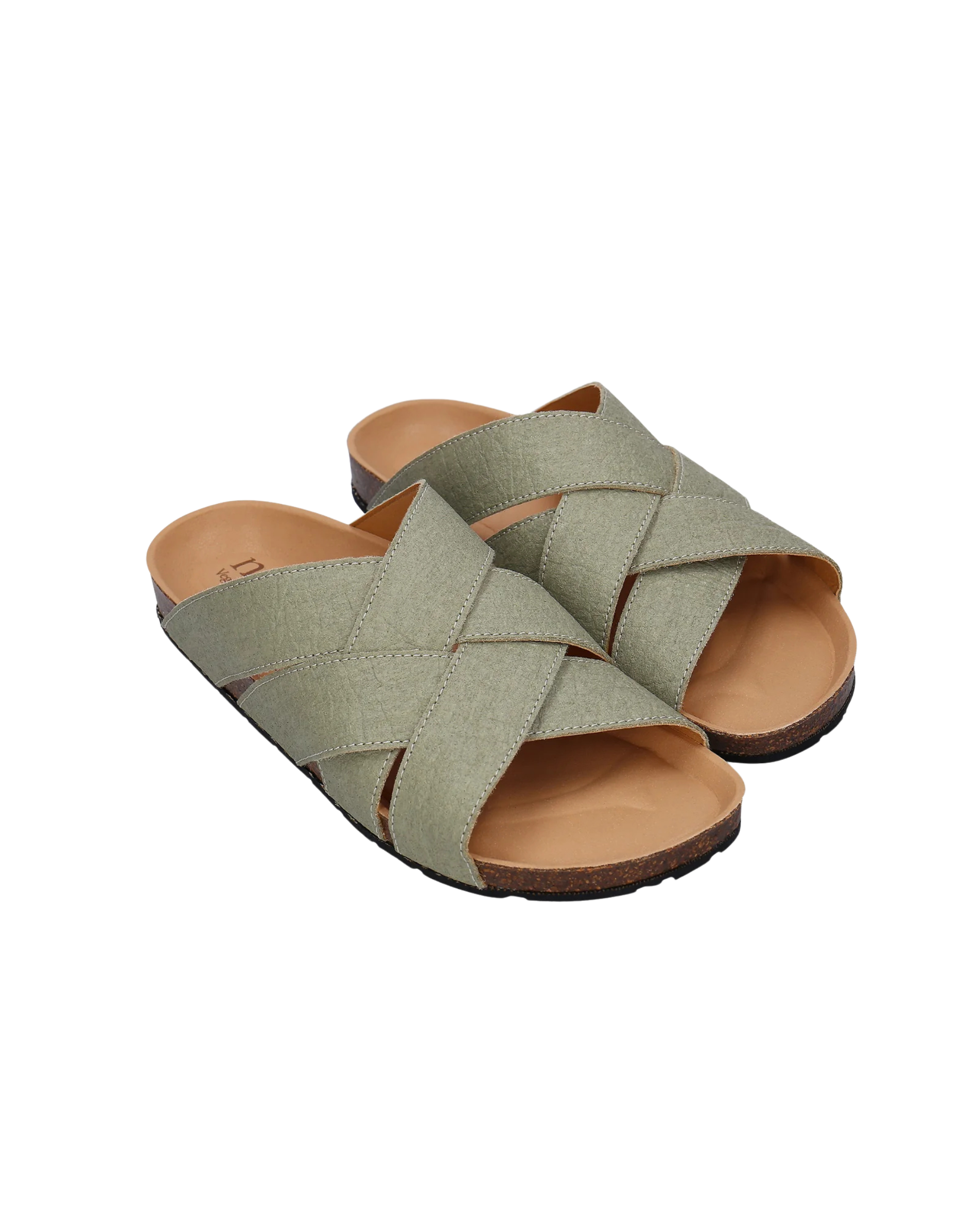
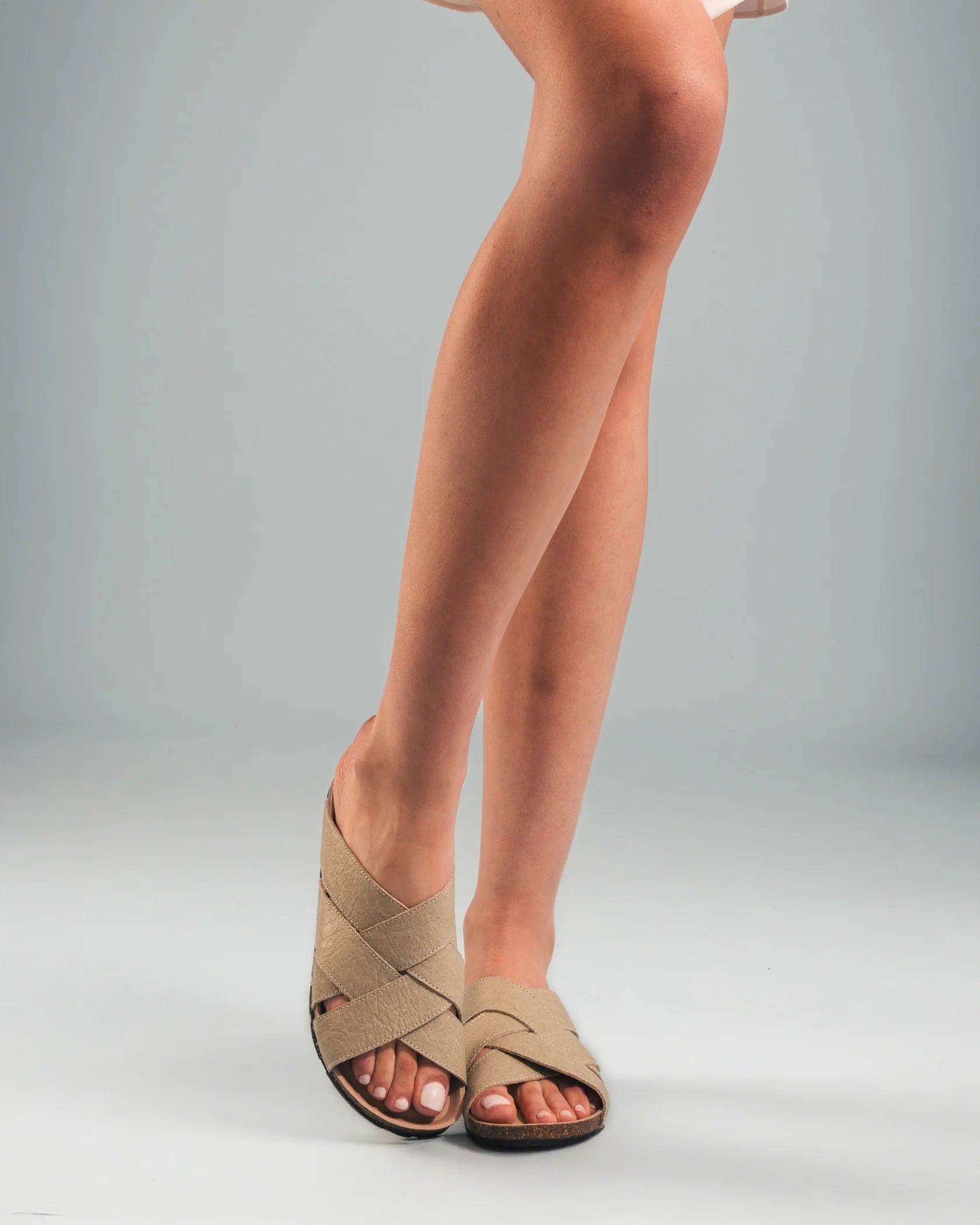
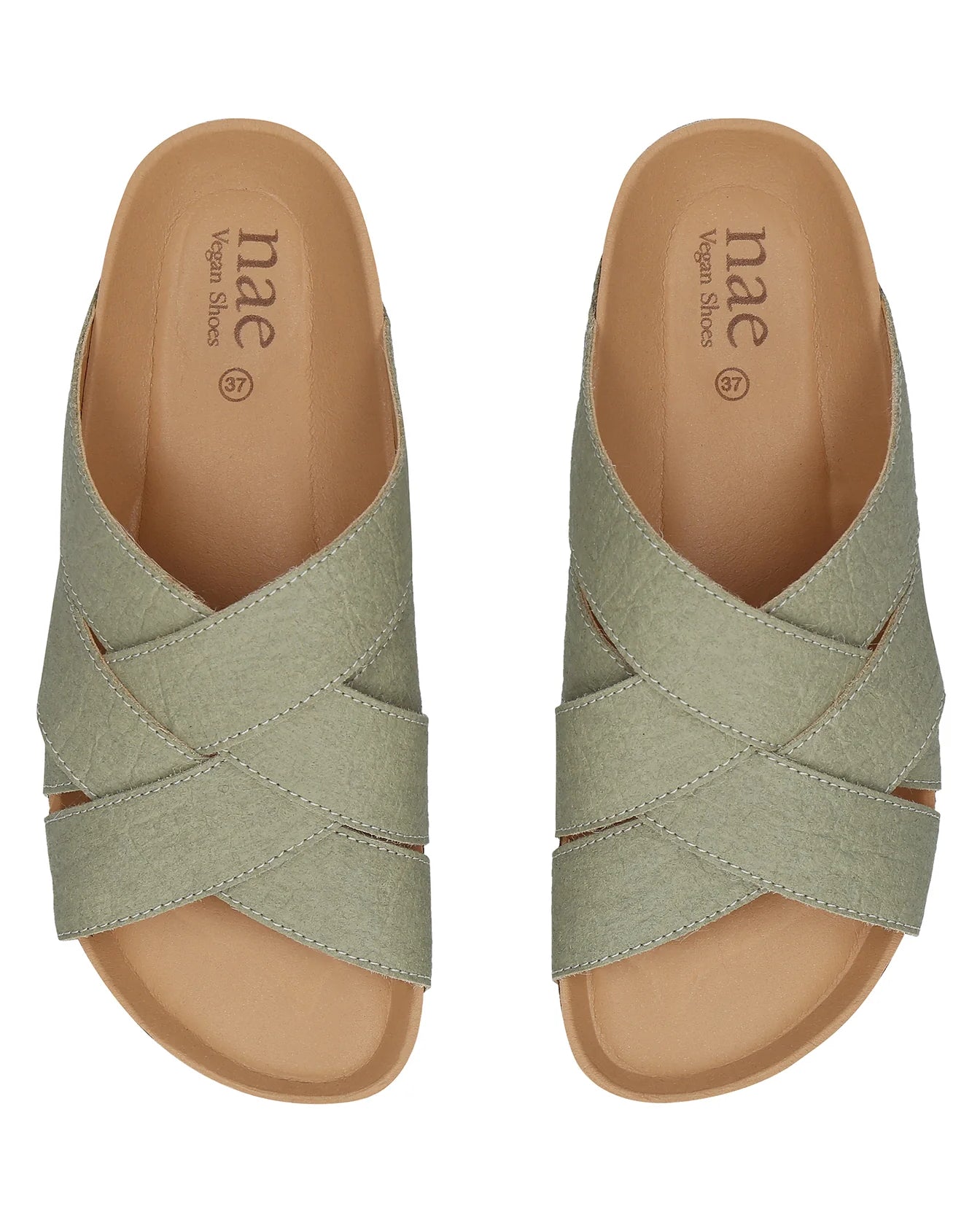
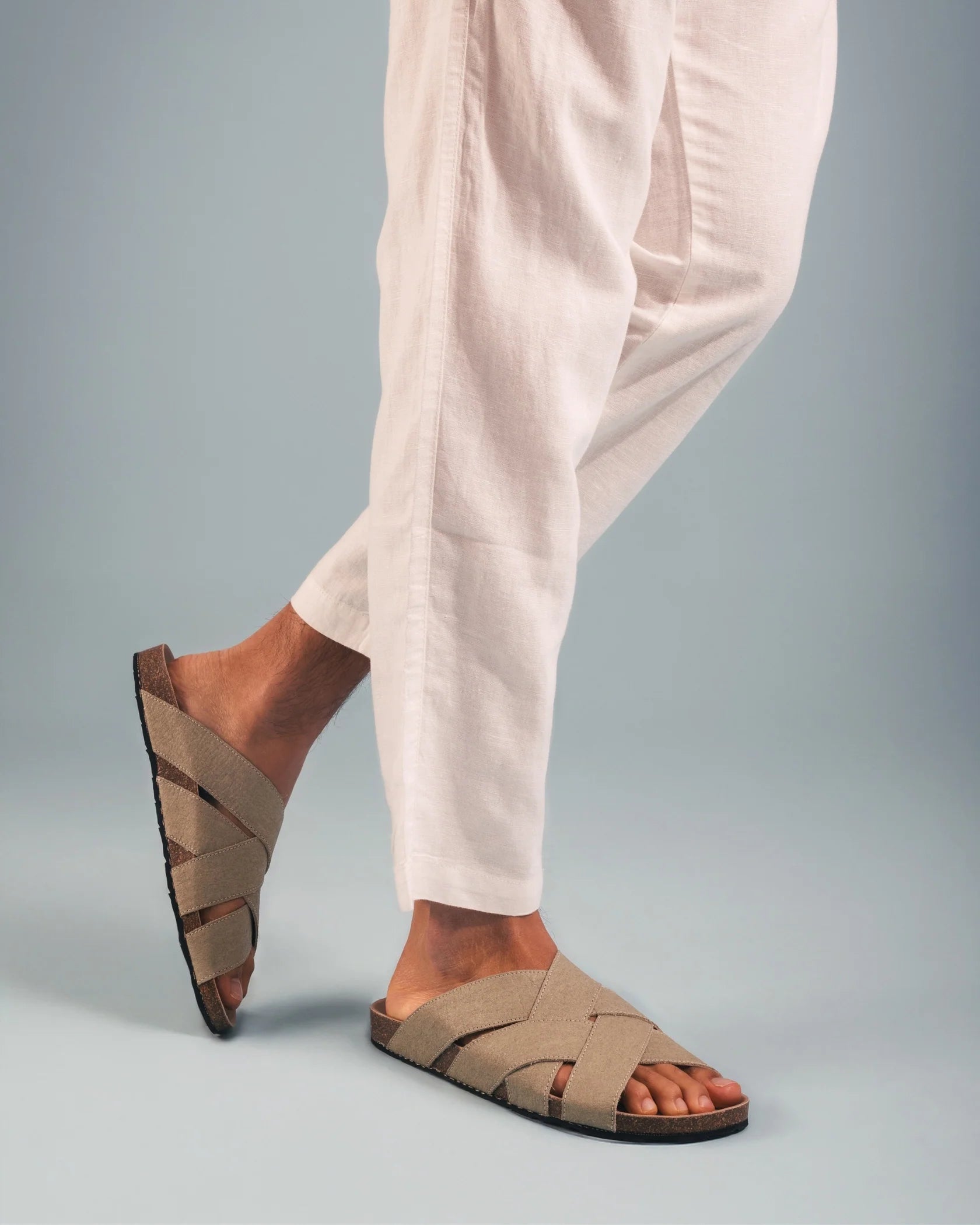
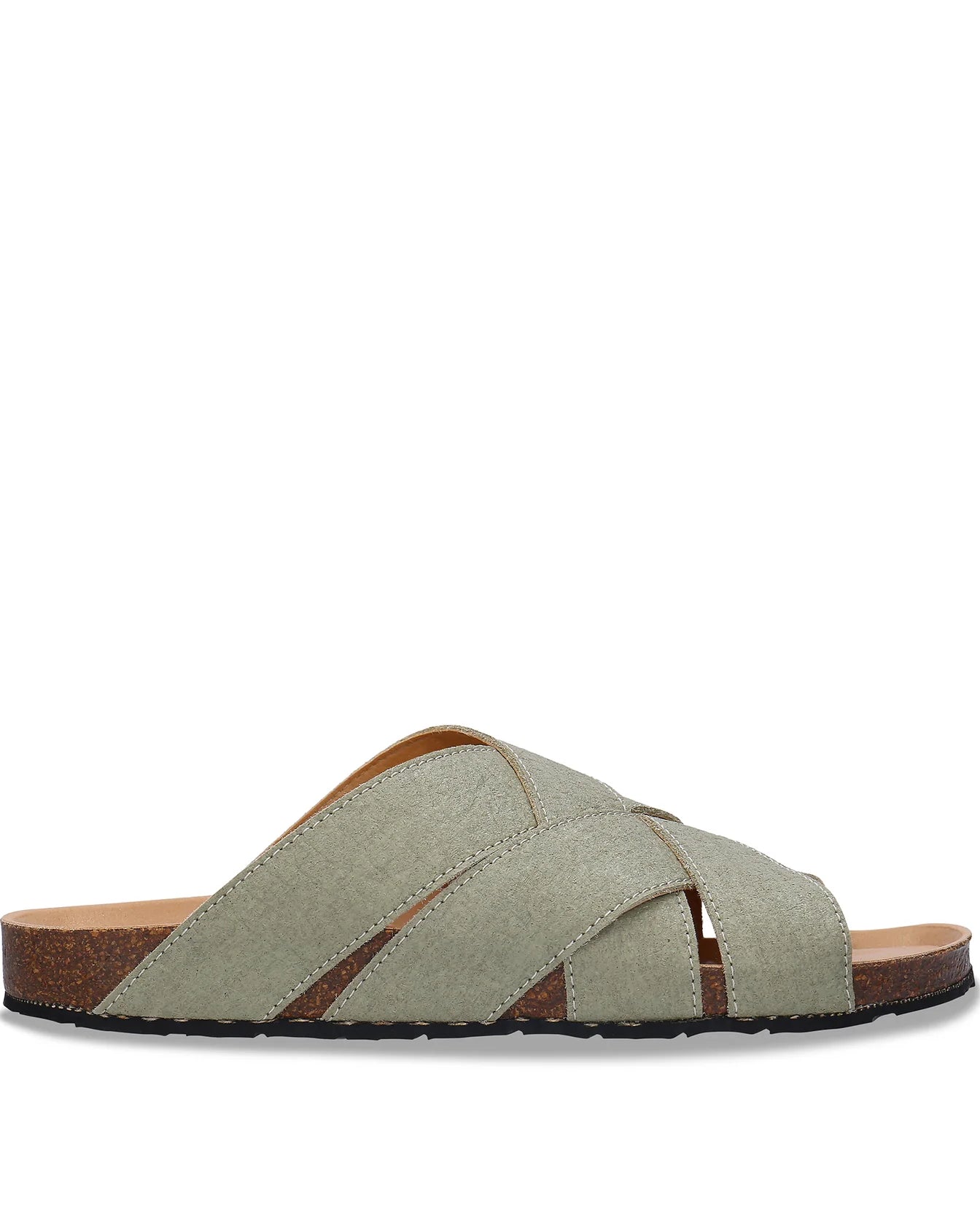
The Result: A naturally crinkled, breathable, and incredibly tough material used by pioneers like NAE Vegan Shoes.
2. Desserto: The Cactus Innovator
Hailing from Mexico, Desserto uses the Nopal cactus. Unlike cattle, cacti thrive in the desert with almost no water.
-
The Logic: They only harvest the mature leaves, leaving the plant intact to keep growing and absorbing CO2. It’s a truly regenerative system.
-
The Result: A leather that is famously soft, supple, and highly resistant to water—perfect for the sleek, minimalist aesthetic we love.
3. AppleSkin: From Orchard to Outsole
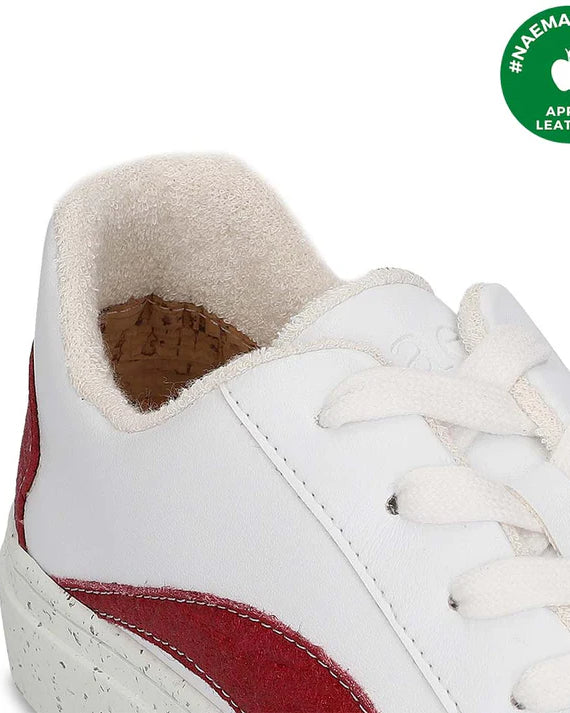
In the Italian Alps, the juice and jam industry produces tons of apple peels and cores as waste. This "apple dust" is now being transformed into AppleSkin.
-
The Logic: It diverts food waste from landfills (where it would produce methane) and turns it into a high-performance material.
-
The Result: One of the most durable plant-leathers on the market, with a smooth finish that is indistinguishable from premium calfskin.
Spotlight: NAE Vegan Shoes
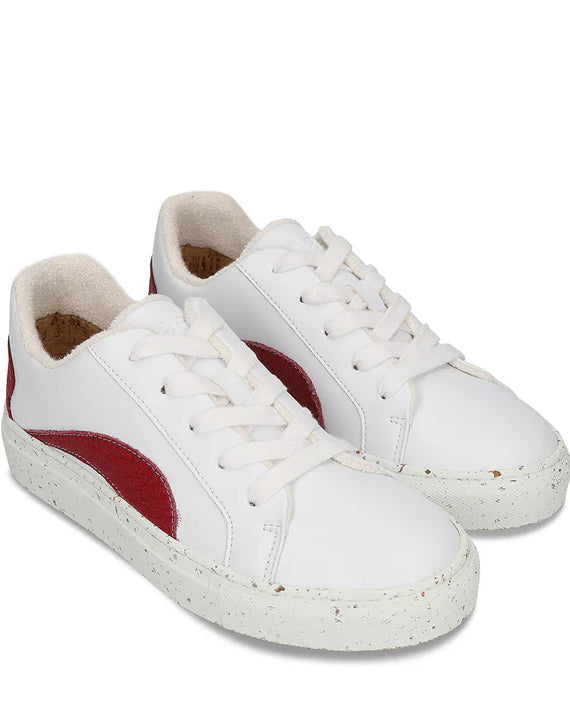
One of the brands we admire most at Capsule is NAE (No Animal Exploitation). Based in Portugal—a global hub for quality shoemaking—NAE does not just use one of these materials; they use the whole "orchard."
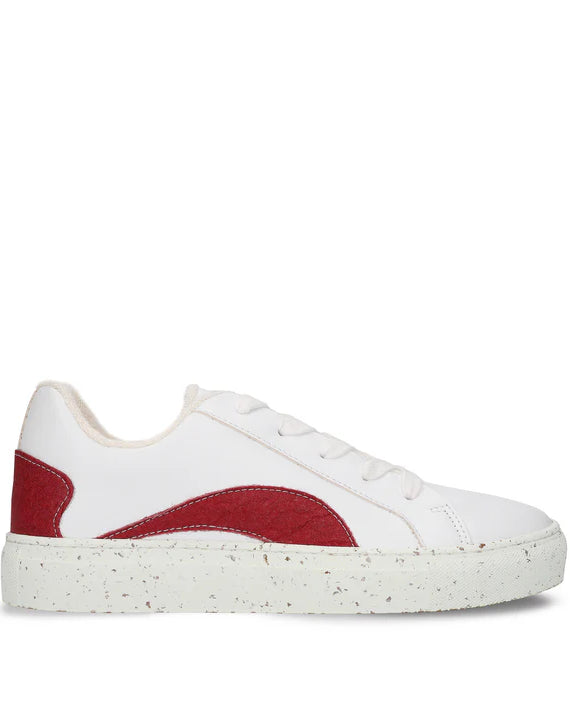
By working with Piñatex, Cork, and AppleSkin, NAE proves that you don't have to sacrifice the "Made in Europe" quality for a vegan philosophy. They represent the Systemic Style we advocate for: ethical manufacturing, innovative materials, and timeless design.
The Honest View: Are they "Pure" Plants?
In the spirit of transparency, it is important to note that most plant-based leathers currently require a "binder" (often a recycled water-based PU or non-toxic resin) to give the fibers the strength needed for a shoe.
While they aren't always 100% biodegradable yet, they are a massive leap forward. They reduce carbon emissions by up to 80% compared to animal leather and move us away from the "black box" of the petrochemical industry.
The Bottom Line
The future of footwear is about choosing intelligence. When you wear a shoe grown from a cactus or a pineapple, you are not just wearing a vegan product.
You are wearing a piece of a smarter, more resilient ecosystem. You are wearing the future of the footprint.